Ssneakers felt simple. You picked something that looked cool, maybe followed a popular brand, and that was enough. But over the years, sneakers have become more than just footwear. They’ve turned into a form of self-expression, a mix of comfort, identity, and style.
Now in 2026, sneaker trends feel more interesting than ever. The hype is still there, but it’s changing. People are no longer chasing every new drop blindly. Instead, they’re becoming more selective, more aware of what actually works for their lifestyle.
If you’ve been wondering what’s still worth wearing and what’s slowly fading away, the answer isn’t as obvious as it used to be. Trends don’t disappear overnight anymore—they evolve. And understanding that shift makes all the difference.
Let’s walk through what’s happening right now.
What’s Hot: Comfort, Simplicity, and Real-Life Style
One of the biggest changes in 2026 sneaker culture is the focus on comfort.
A few years ago, people were willing to wear stiff, uncomfortable sneakers just because they looked good or were trending. But that mindset is slowly fading. Now, if a sneaker doesn’t feel good after a few hours, it’s hard to justify wearing it regularly.
This shift has pushed brands to design shoes that balance style with everyday usability. Cushioning has improved, materials feel softer, and overall construction is more thoughtful. You’ll notice that even stylish sneakers now have a “wear all day” feel to them.
Another major trend is simplicity.
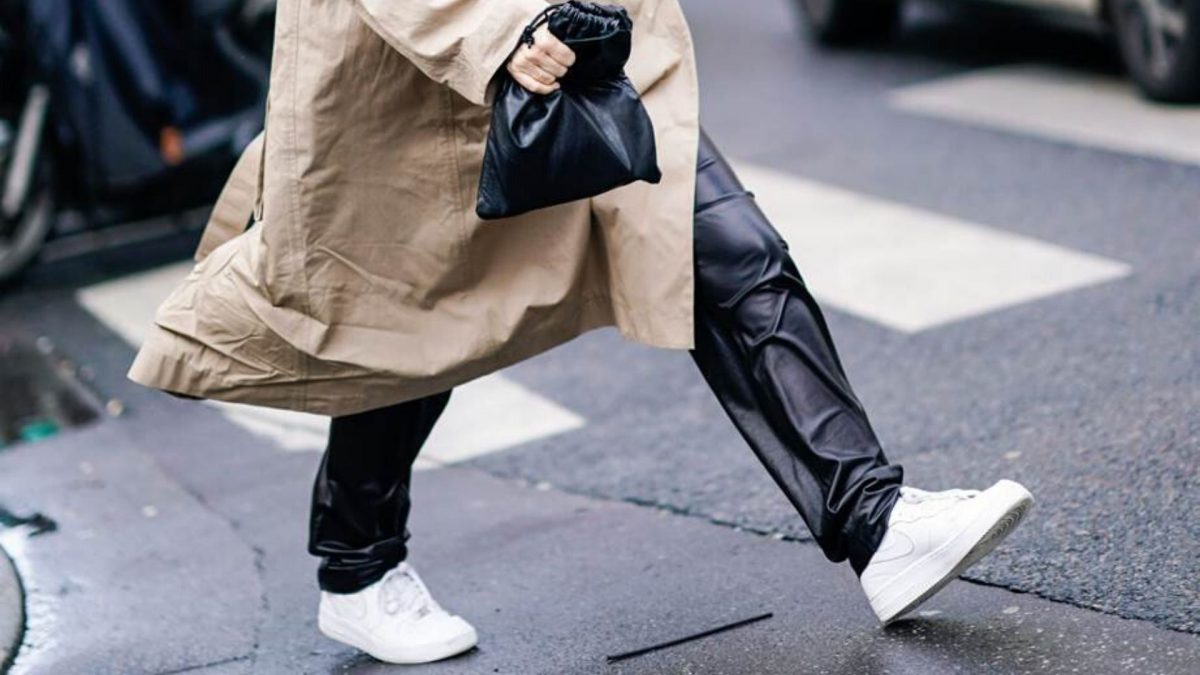
Clean, minimal sneakers are everywhere. Instead of loud color combinations or heavy branding, people are leaning toward neutral tones—white, beige, grey, and soft earth colors. These sneakers are easy to pair with almost anything, which makes them more practical for daily wear.
There’s also a growing appreciation for timeless designs.
Classic silhouettes are making a strong comeback, but with subtle updates. Instead of reinventing everything, brands are refining what already works. Slight changes in materials, improved comfort, and better color options make these familiar designs feel fresh again.
This ties into a broader shift in mindset.
People are starting to think less about “what’s trending right now” and more about “what will still look good a year from now.” That’s why versatile sneakers—ones that work with multiple outfits—are becoming more popular.
Another interesting trend is the rise of understated individuality.
Instead of everyone wearing the exact same hyped sneaker, people are exploring smaller variations. It could be a unique colorway, a slightly different design, or even a lesser-known brand that still delivers quality.
It’s not about standing out loudly—it’s about standing out subtly.
And then there’s the influence of lifestyle.
Sneakers are no longer just about fashion. They’re part of how people move through their day. Whether it’s commuting, traveling, working, or just spending long hours on your feet, your shoes need to keep up.
That’s why hybrid designs—sneakers that feel like athletic shoes but look clean enough for casual wear—are becoming more common. They fit into real life without feeling out of place.
All of this points to one clear idea: in 2026, the best sneakers are the ones you actually enjoy wearing, not just the ones that look good in photos.
What’s Fading: Overhype, Excess, and One-Dimensional Style
At the same time, some trends are quietly losing their grip.
One of the biggest shifts is the decline of extreme hype culture.
There was a time when limited-edition releases dominated the sneaker world. People would line up, enter raffles, and pay high resale prices just to own a pair. While that culture still exists, it’s no longer the center of everything.
More people are stepping back and asking a simple question: “Will I actually wear this?”
If the answer is no, the appeal starts to fade.
This change is also affecting bold, overly flashy designs.
Sneakers with aggressive shapes, exaggerated soles, and loud color combinations were once everywhere. They grabbed attention instantly, but they weren’t always practical. Over time, many people realized that these designs were harder to style and didn’t fit into everyday outfits.
As a result, the trend is shifting toward more balanced designs.
That doesn’t mean bold sneakers are completely gone, but they’re no longer the default choice. They’ve become more niche—something you wear occasionally rather than every day.
Another trend that’s slowly fading is heavy branding.
Logos used to be a major part of sneaker culture. The bigger and more visible, the better. But now, subtlety is becoming more appealing. People still care about brands, but they don’t always want it to be the first thing others notice.
Instead, the focus is moving toward quality and design.
Even the idea of “keeping up” with every release is losing its importance.
In the past, missing out on a popular sneaker felt like a big deal. Now, there’s less pressure. People are more comfortable building their own style instead of following every trend.
This shift also connects to a broader awareness of value.
Spending a lot of money on sneakers that don’t get worn regularly doesn’t make as much sense anymore. People are looking for pieces that offer both style and usability.
And that’s where many older trends start to feel outdated—not because they look bad, but because they don’t fit how people live today.
Where Things Are Headed Next
If you look at both what’s rising and what’s fading, a clear pattern starts to emerge.
Sneaker culture in 2026 is becoming more personal.
It’s less about impressing others and more about finding what works for you. That could mean sticking with clean, minimal sneakers, or occasionally adding a statement pair to your rotation.
The difference is that the choice feels intentional.
There’s also a growing connection between sneakers and overall lifestyle.
People want shoes that match how they live—not just how they look. Comfort, versatility, and durability are becoming just as important as design.
This doesn’t mean creativity is disappearing.
If anything, it’s becoming more refined.
Instead of loud, attention-grabbing designs, creativity is showing up in smaller details—textures, materials, subtle color variations. These elements add depth without overwhelming the overall look.
Another interesting shift is the move toward longevity.
Instead of constantly replacing sneakers, people are starting to value pairs that last longer and age well. A sneaker that still looks good after months of use feels more meaningful than one that’s only exciting for a short time.
And maybe the most important change is the mindset.
Sneakers are no longer just about trends.
They’re about comfort, identity, and everyday life.
You don’t need the latest release to feel stylish. You don’t need the most expensive pair to stand out.
What matters is how your sneakers fit into your routine, your outfits, and your personality.
Because in the end, the best trends are the ones that don’t feel like trends at all.
They just feel right.