When I first started working from home, I thought I had it figured out.
A laptop, a chair, maybe a cup of coffee—that should be enough, right?
For the first few days, it felt great. No commute, no distractions from coworkers, complete freedom. But slowly, something started to slip. My focus wasn’t the same. Small tasks took longer. And by the end of the day, I felt tired without really knowing why.
That’s when I realized something important.
Working from home isn’t just about where you work. It’s about how your space supports your work.
And once I started making small changes to my setup, everything shifted. Not overnight, but enough to notice. Enough to feel.
If you’re trying to improve your productivity at home, it doesn’t require a complete makeover. Sometimes, it’s the simplest adjustments that make the biggest difference.
Creating a Space That Tells Your Brain It’s Time to Work
One of the biggest mistakes I made early on was working from anywhere.
The bed, the couch, the dining table—it felt flexible, but it also felt inconsistent. My brain never really knew when I was working and when I was relaxing.
That’s when I decided to create a dedicated workspace.
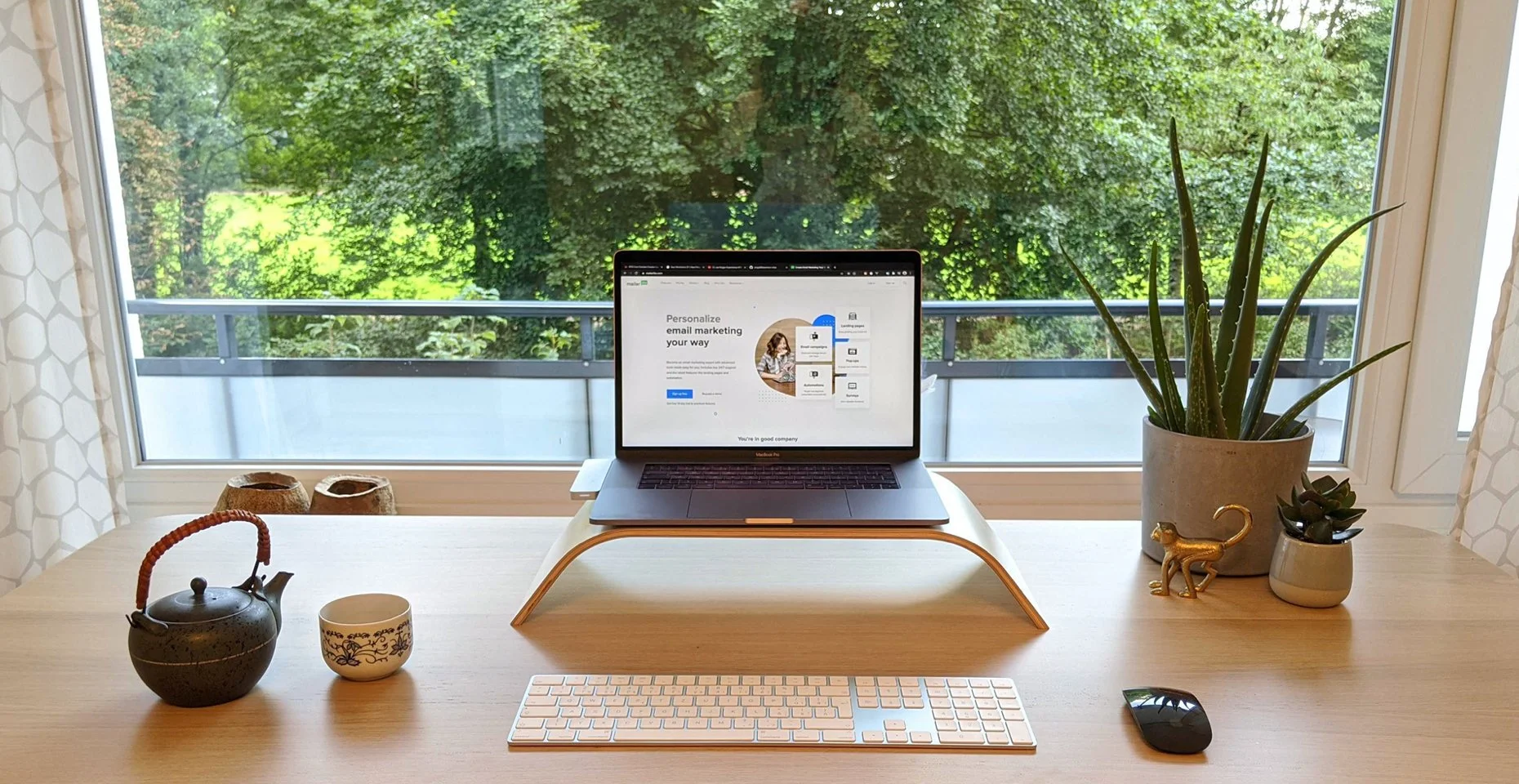
It didn’t have to be a separate room. Just a small corner with a table and a chair. But once I started using that space consistently, something changed.
Sitting there automatically put me in a work mindset.
This is one of the simplest but most powerful ideas: your environment shapes your behavior.
When your workspace is clearly defined, your brain starts associating that spot with focus and productivity. Over time, this reduces the effort needed to “get into work mode.”
Lighting also plays a bigger role than we often realize.
Natural light, if you can get it, makes a noticeable difference. It keeps you more alert and less fatigued. If that’s not possible, a good desk lamp can help create a similar effect.
A poorly lit space, on the other hand, makes everything feel slower.
Then there’s the issue of clutter.
At first, I didn’t pay much attention to it. A few cables here, some papers there—it didn’t seem like a big deal. But over time, I noticed how distracting it was.
A clean desk doesn’t just look good. It feels lighter. It removes small, unnecessary distractions that quietly drain your focus.
You don’t need a perfectly minimal setup. Just enough order to make your space feel calm.
Making Comfort Work for You, Not Against You
There’s a fine line between comfort and laziness when it comes to working from home.
Too uncomfortable, and you can’t focus. Too comfortable, and you lose your drive.
Finding that balance is key.
The chair you use matters more than you think.
In the beginning, I used whatever was available. But after a few weeks, my back started to complain. I realized that discomfort wasn’t just physical—it was affecting how long I could stay focused.
A supportive chair doesn’t need to be expensive, but it should allow you to sit properly for extended periods.
The same goes for your desk setup.
Your screen should be at a comfortable height. Your keyboard and mouse should feel natural to use. These small adjustments prevent strain and make your work feel smoother.
And then there’s movement.
One of the downsides of working from home is that it’s easy to sit for too long. There are no natural breaks like walking to meetings or moving around an office.
So you have to create those breaks yourself.
Standing up, stretching, or taking a short walk every hour can make a huge difference. It refreshes your mind and keeps your energy levels steady.
What surprised me the most was how much better I felt after adding these small movements into my day.
It didn’t interrupt my work—it improved it.
Building a Setup That Supports Focus, Not Distraction
Even with a good workspace and comfortable setup, there’s one more challenge: distractions.
At home, distractions are everywhere. Your phone, your surroundings, even your own thoughts.
That’s why your setup should help you focus—not fight against it.
One thing that helped me was simplifying what I keep on my desk.
Instead of having everything within reach, I only kept what I actually needed for my current task. This reduced the temptation to switch between things unnecessarily.
Noise is another factor.
Some people work well in silence, while others prefer background sound. Finding what works for you can improve your focus significantly.
For me, soft background music or ambient noise worked better than complete silence. It filled the space without becoming distracting.
Then there’s the digital side of your setup.
Your laptop or computer is both your main tool and your biggest source of distraction. Notifications, emails, social media—they all compete for your attention.
Turning off unnecessary notifications during work hours can make a noticeable difference.
It’s a small change, but it creates a more controlled environment.
Another idea that worked well for me was having a clear start and end to the workday.
When you work from home, it’s easy for work to blend into everything else. But having a simple routine—like starting work at a fixed time and shutting down your system at the end—creates a sense of structure.
Your setup isn’t just physical. It’s also about how you use it.
Over time, I’ve come to see my workspace as more than just a place to sit and work.
It’s a system.
A combination of environment, comfort, and habits that either supports me—or slows me down.
And the interesting part is, you don’t need a perfect setup to be productive.
You just need a setup that works for you.
Maybe it’s a small desk by a window. Maybe it’s a quiet corner with minimal distractions. Maybe it’s a space that evolves as your work changes.
What matters is how it feels when you sit down.
Does it help you focus? Does it make your work easier? Does it support your energy throughout the day?
If the answer is yes, then you’re already on the right track.
Because productivity isn’t about working harder.
Sometimes, it’s just about working in a space that makes everything feel a little easier.