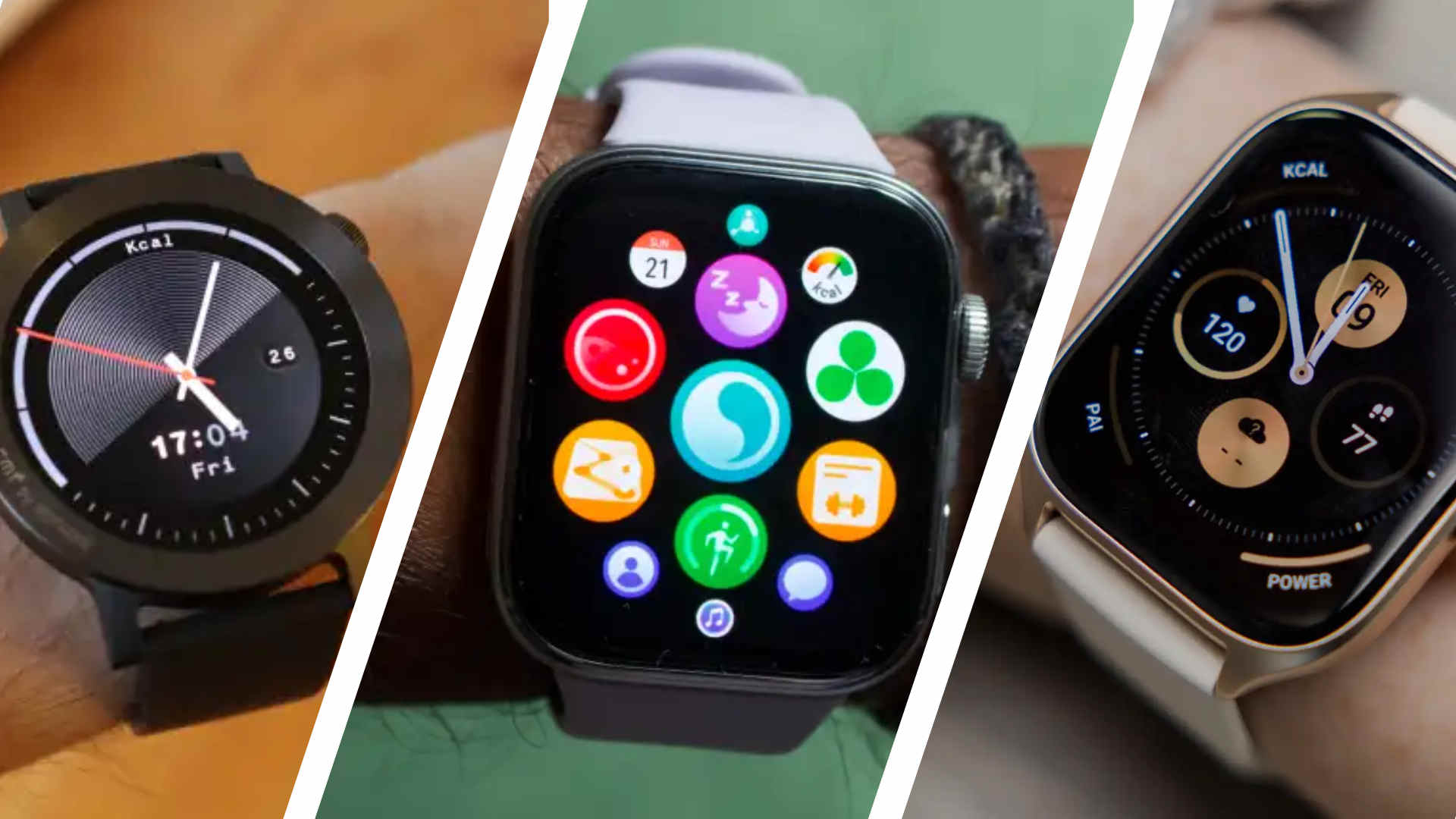
A few years ago, buying a budget smartwatch felt like settling. You got a flashy screen, maybe a step counter, and a lot of promises that didn’t always hold up. But in 2026, things have changed—dramatically.
Today’s budget smartwatches are no longer just “cheap gadgets.” They’ve become reliable daily companions. You can track your health, take calls, read notifications, and even style them like a premium accessory—all without spending a fortune.
But here’s the catch: not every feature actually matters.
When you’re choosing a smartwatch, it’s easy to get distracted by long spec sheets. Instead, what really counts is how the watch fits into your daily life.
Let’s break it down in a simple, real-world way.
The Features You’ll Actually Use Every Day
Imagine waking up in the morning. You check the time, glance at your notifications, maybe track your sleep, and head out for the day. This is where a smartwatch starts to prove its value.
The first thing you’ll notice is the display.
A good budget smartwatch in 2026 should have a bright, clear screen—ideally AMOLED. It makes everything feel premium, from reading messages to checking the weather. Even in sunlight, you shouldn’t have to squint. And surprisingly, many budget watches now offer exactly that.
Next comes notifications.
This is one of the most underrated but essential features. Whether it’s a text, email, or app alert, being able to quickly glance at your wrist instead of pulling out your phone makes a difference throughout the day.
Then there’s Bluetooth calling.
Not everyone uses it, but when you do, it feels incredibly convenient. You’re cooking, walking, or driving—and instead of reaching for your phone, you just answer from your wrist. Many budget smartwatches now support this, and the quality has improved a lot.
And finally, basic health tracking.
We’re not talking about medical-grade accuracy here. But features like step counting, heart rate monitoring, and sleep tracking have become standard—and surprisingly reliable for everyday use.
These are the features you’ll interact with daily. If a smartwatch gets these right, it already feels worth it.
The Features That Make It Feel Premium
Now let’s talk about what takes a budget smartwatch from “okay” to “actually impressive.”
The biggest one is battery life.
This is where budget smartwatches often outperform expensive ones. While premium watches might need daily charging, many budget models can last anywhere from 3 days to even 10+ days depending on usage.
That changes how you use the device. Instead of worrying about charging every night, you just wear it and forget about it.
Another important feature is build quality and design.
In 2026, even affordable watches look good. You’ll find metal finishes, slim bezels, and customizable watch faces that let you match your style. Some even look close to premium watches at a glance.
Comfort also matters more than people expect.
A smartwatch is something you wear all day—and sometimes all night. If it feels bulky or uncomfortable, you’ll stop using it. The best budget options are lightweight, smooth on the skin, and easy to forget you’re wearing.
Then there’s water resistance.
You might not think about it often, but it matters. Whether you’re washing your hands, caught in the rain, or working out, you don’t want to worry about damaging your watch. Most good budget smartwatches now offer solid water resistance ratings.
And finally, fitness modes and GPS.
If you’re into walking, running, or basic workouts, having multiple sports modes and built-in GPS can make tracking more accurate and useful. A few years ago, this was limited to expensive watches—but not anymore.
These features don’t just add value—they change how the watch feels. They make it feel less like a gadget and more like something you actually rely on.
Choosing What Matters for Your Lifestyle
At this point, the decision becomes personal.
Because the truth is, the “best” smartwatch isn’t the one with the most features—it’s the one that fits your routine.
If you’re someone who just wants a simple companion, focus on the basics:
- Clear display
- Reliable notifications
- Good battery life
That’s more than enough for everyday use.
If you’re more active or health-focused, then features like:
- Heart rate tracking
- Sleep monitoring
- Sports modes
- GPS
start to matter more.
And if you care about convenience, then:
- Bluetooth calling
- Music control
- Voice assistants
can make your day smoother.
One thing to keep in mind is software experience.
Some budget smartwatches offer full app ecosystems (like Wear OS), while others run simpler systems with limited apps. The difference is noticeable. A proper app ecosystem gives you more flexibility—like installing music apps or navigation—but simpler systems often give you better battery life.
So it becomes a trade-off:
- More apps vs longer battery
- More features vs simpler experience
There’s no wrong answer here—just what works better for you.
And maybe the most important thing to remember is this:
In 2026, budget smartwatches are no longer about compromise.
They’re about choosing wisely.
Because when you pick the right features—the ones you’ll actually use—you don’t feel like you bought a “budget” device at all.
You just feel like you made a smart decision.