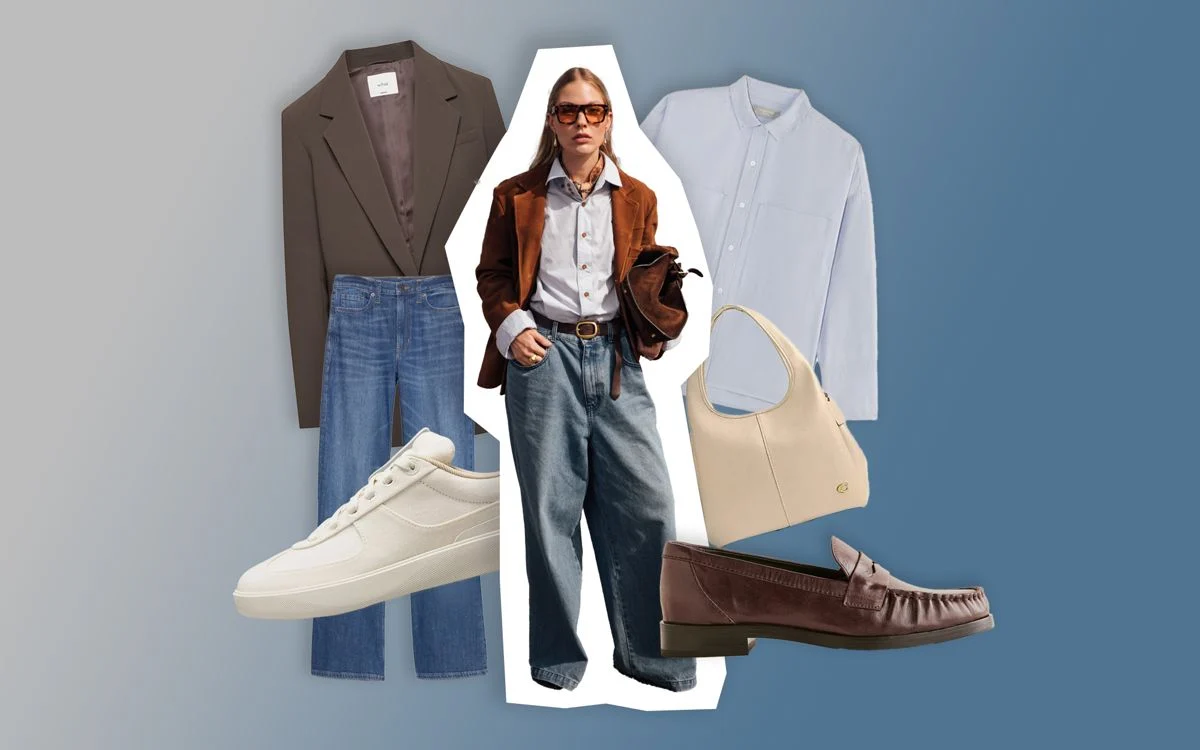
I still remember the moment I stood in front of my closet and felt like I had nothing to wear—even though it was full.
There were shirts I barely used, jeans that didn’t quite fit right, and random pieces I bought just because they looked good at the time. Every morning felt like a small struggle. Too many choices, but no clear outfits.
That’s when I first heard about the idea of a capsule wardrobe.
At first, it sounded boring. Fewer clothes? Same pieces again and again? But once I tried it, everything changed. Getting dressed became faster, easier, and surprisingly… more stylish.
If you’re just starting out, here’s a simple way to build a capsule wardrobe with just 10 pieces—and still create around 20 different outfits without overthinking.
Starting Simple: Picking the Right 10 Pieces
When I first tried building a capsule wardrobe, I made a mistake. I picked clothes I liked, not clothes I would actually wear regularly.
That’s the key difference.
A capsule wardrobe isn’t about your favorite pieces—it’s about your most useful ones.
So instead of thinking in terms of trends, think in terms of everyday life. What do you wear most often? What feels comfortable? What works in different situations?
Here’s a simple 10-piece setup that works for most beginners:
- 3 t-shirts (neutral colors like white, black, grey)
- 2 shirts (one casual, one slightly dressy)
- 2 pairs of pants (jeans + chinos or trousers)
- 1 pair of shorts
- 1 lightweight jacket or overshirt
- 1 pair of sneakers
That’s it.
At first glance, it might feel limited. But here’s where it gets interesting.
Each piece should be easy to match with everything else. That’s why neutral colors work so well—they don’t clash. You don’t have to think too hard.
I remember putting together my first capsule set. Everything looked simple on its own. But when I started mixing them, I realized how many combinations were possible.
That’s when it clicked.
Mixing and Matching: How 10 Pieces Turn Into 20 Outfits
This is where the magic happens.
The whole idea of a capsule wardrobe is not about having fewer clothes—it’s about having better combinations.
Let’s say you have three t-shirts and two pants.
Just those alone can already give you multiple outfits:
- T-shirt 1 + jeans
- T-shirt 2 + jeans
- T-shirt 3 + chinos
- T-shirt 1 + chinos
And that’s just the beginning.
Now add your shirts.
You can wear them on their own or layer them over a t-shirt. Suddenly, your outfit count starts doubling.
For example:
- White t-shirt + open casual shirt + jeans
- Grey t-shirt + dressy shirt (buttoned) + chinos
- Black t-shirt + overshirt + jeans
Each small change creates a different look.
The jacket or overshirt plays a big role here.
It adds depth to your outfit without needing new clothes. Even if the base outfit is the same, adding a layer makes it feel fresh.
Shorts bring in another variation.
On warmer days, you can swap pants for shorts and instantly create a more relaxed look:
- White t-shirt + shorts + sneakers
- Casual shirt + shorts + sneakers
And because everything matches, you don’t have to worry about “does this go with that?”
It always does.
When I first started doing this, I actually counted my outfits out of curiosity. With just 10 pieces, I easily crossed 20 combinations—and I wasn’t even trying hard.
That’s the power of simplicity.
What You Learn Along the Way
The biggest surprise for me wasn’t the number of outfits.
It was how much easier everything became.
Getting dressed in the morning stopped feeling like a decision. I didn’t waste time trying on different combinations or second-guessing myself.
Everything just worked.
And slowly, I started noticing something else.
My style felt more consistent.
Before, my outfits were all over the place. One day casual, next day overly dressed, then something completely different. There was no clear identity.
But with a capsule wardrobe, everything started to look more put together. Not because the clothes were expensive—but because they worked well together.
I also stopped buying random pieces.
Earlier, I would see something cool and buy it without thinking. But now, I ask a simple question:
Can I wear this with at least 3–4 things I already own?
If the answer is no, I skip it.
This mindset saves money, reduces clutter, and keeps your wardrobe clean.
Another thing I noticed is confidence.
When your outfit feels right, you don’t think about it anymore. You just go about your day.
And that’s really the goal—not to impress people with flashy clothes, but to feel comfortable and confident in what you’re wearing.
Making It Your Own
The example I shared is just a starting point.
Your capsule wardrobe should reflect your lifestyle.
If you live in a hotter climate, you might want more shorts and lighter fabrics. If you’re in a colder place, layering pieces become more important.
If you like a sporty look, your choices might include joggers and athletic sneakers. If you prefer something cleaner, chinos and minimal shoes might suit you better.
There’s no fixed rule.
The only idea that matters is this:
Every piece should work with most of the others.
That’s what creates flexibility.
You also don’t need to build everything at once.
Start with what you already have. Pick the pieces you wear the most. Then slowly refine your wardrobe over time.
Remove what you don’t use. Add what fits better.
It’s a gradual process.
And honestly, that’s what makes it enjoyable.
Why This Approach Works So Well in 2026
Fashion in 2026 is moving toward simplicity.
People are moving away from overloading their wardrobes and focusing more on versatile, long-lasting pieces.
It’s not just about looking good anymore—it’s about making smart choices.
A capsule wardrobe fits perfectly into this mindset.
It saves time, reduces stress, and helps you build a personal style without constantly chasing trends.
And the best part?
You don’t need a huge budget.
You don’t need expensive brands.
You just need a small collection of well-chosen pieces that work together.
At the end of the day, building a capsule wardrobe isn’t about limiting yourself.
It’s about freeing yourself from unnecessary choices.
Because when your wardrobe becomes simpler, your style actually becomes stronger.
And once you experience that, it’s hard to go back.